
Speakers
Our program features an international panel of researchers, academics, and industry professionals. During the morning sessions, these experts will guide attendees through state-of-the-art methodologies, addressing the intersection of AI, human-centric design, and privacy.
Day 1: SoBigData RI and Project Challenges
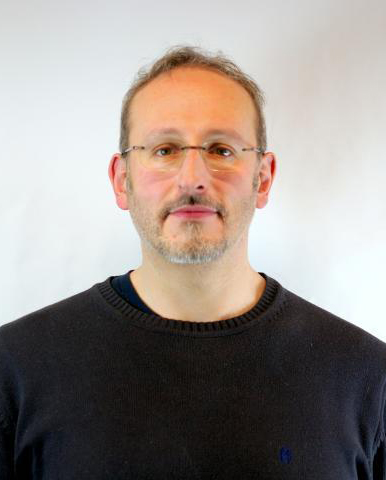
Valerio Grossi
Institute of Information Science and Technologies (ISTI) of the National Research Council of Italy (CNR)
Valerio Grossi is a Senior Researcher at ISTI-CNR. He holds a PhD in Computer Science from the University of Pisa. His research interests focus on machine learning and the analysis of massive and complex data, including data stream mining, ontology-driven mining, business intelligence, and automatic knowledge extraction systems. He is a member of SoBigData's management team.
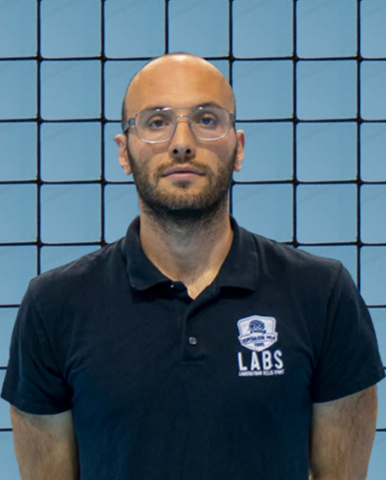
Matteo Marescotti
Ospedalieri Volley Pisa
Matteo Marescotti is a volleyball coach currently working in Pisa with the developing and senior team. Interested in motor learning and anatomy, he achieved a Master degree in Biokinetics at Coimbra University, with a thesis focused on the prevention of anterior cruciate ligament (ACL) injuries. His academic background is completed with a master degree in Sport Science and Techniques achieved in Genova.
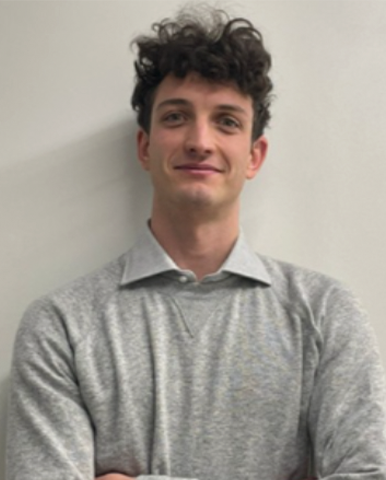
Pietro Ilio Gatti
University of Pisa
Pietro Ilio Gatti is a research fellow at the University of Pisa and a therapist at the INNOVATE Laboratory, IRCCS Fondazione Stella Maris. His background integrates movement science and pediatric neurorehabilitation, with interests in child rehabilitation, movement analysis, and adapted sport for children with neurodevelopmental disabilities.
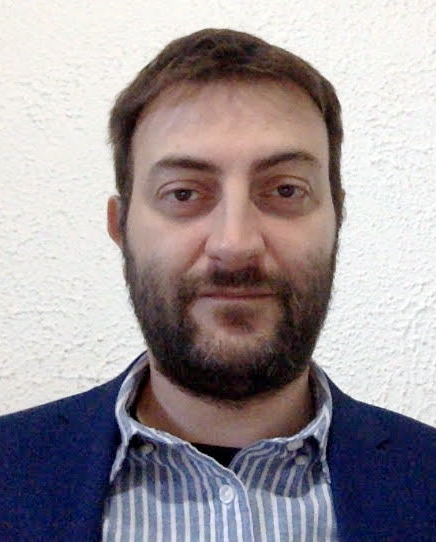
Roberto Trasarti
Institute of Information Science and Technologies (ISTI) of the National Research Council of Italy (CNR)
Roberto Trasarti is a Senior Researcher at ISTI-CNR and the Coordinator of the SoBigData Research Infrastructure. He holds a Ph.D. in Computer Science from the University of Pisa. His research focuses on Data Mining, Spatio-Temporal Data Analysis, Artificial Intelligence, and Automatic Reasoning. He leads the Knowledge Discovery and Delivery Laboratory's efforts in mobility analysis and social mining.
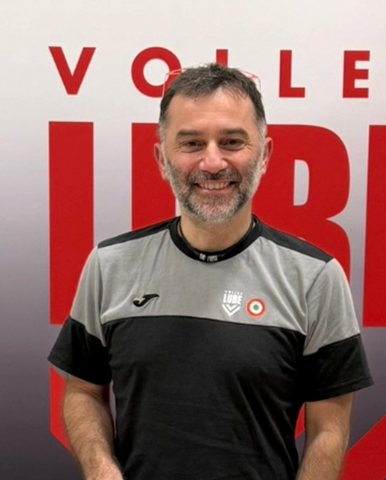
Francesco Oleni
Volley Lube
Francesco Oleni is a volleyball analyst and assistant coach currently with Volley Lube, competing in the Italian SuperLega and the CEV Champions League. Over nearly two decades he has worked with top-level clubs and national teams across Italy, Poland, Russia, China, South Korea, Qatar, and Denmark — including roles with the men's national teams of China and Denmark and trophies such as the Korean V-League title and a CEV Cup. His work focuses on match analysis, data-driven scouting, and video analysis to support tactical decision-making at the highest competitive level.
Day 2: Health and Wellbeing
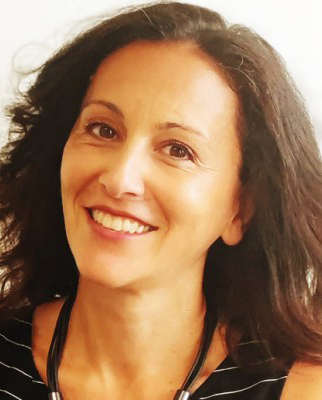
Sara Colantonio
Institute of Information Science and Technologies (ISTI) of the National Research Council of Italy (CNR)
Senior researcher from the "Signals and Images" Laboratory in Pisa. Her research interests include machine learning, assistive technologies, personal informatics, and trustworthy AI. Co-authored over 120 scientific papers and coordinated FP7 projects on smart health systems. Recognized as one of the 40 Top Transformers in health (2016). Member of the international expert group AI4HI, contributing to FUTURE-AI guidelines on trustworthy AI in medical applications.
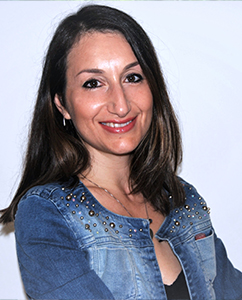
Elena Cardillo
Istituto di informatica e telematica (IIT) of the National Research Council of Italy (CNR)
Cardillo is a researcher at IIT-CNR since 2013. Holding a PhD in ICT (University of Trento/FBK), her research targets knowledge management, semantic interoperability, Knowledge Organization Systems, and Semantic Web technologies. She has extensive expertise in e-health, notably supporting AgID and Italian Regions in developing the national Electronic Health Record (FSE) and related semantic web services. Furthermore, she teaches Knowledge Organization for the PhD School in ICT at the University of Calabria (DIMES) and conducts LOINC training as part of the LOINC Italia working group.
Vasiliki Voukelatou
UN World Food Programme (WFP)
Vasiliki is a Data Scientist at the United Nations World Food Programme in Rome, where she develops machine learning models for nutrition and food security monitoring. Her work leverages data science techniques for humanitarian impact, ranging from field missions to applied research and collaborations with academia. She holds a Ph.D. in Data Science from Scuola Normale Superiore, with research on wellbeing and peace at the intersection of AI and social good
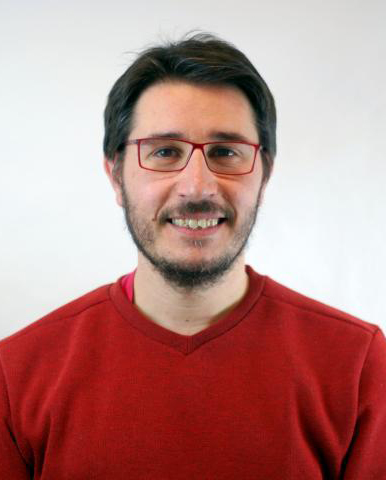
Salvo Rinzivillo
Institute of Information Science and Technologies (ISTI) of the National Research Council of Italy (CNR)
Salvatore Rinzivillo is a computer scientist, specialized in AI and machine learning, particularly focusing on enhancing explainability within these fields to foster trust and reliability. With a keen interest in visual representations of data, he bridges the gap between technology and understanding, making complex concepts accessible to all audiences. Beyond his professional pursuits, his background as a maker drives him to continually explore new possibilities and push boundaries in creative problem-solving.
Day 3: Sport Analytics and Agentic AI
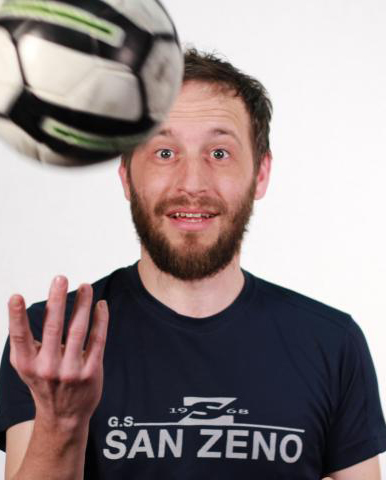
Alessio Rossi
Olympique de Marseille
Alessio Rossi is a sport performance data scientist with a strong background in sport science and biomedical research. He holds a PhD focused on predictive modelling in sport science. He currently works in professional football, applying data analysis, machine learning, and statistical modelling to transform datasets into actionable insights.
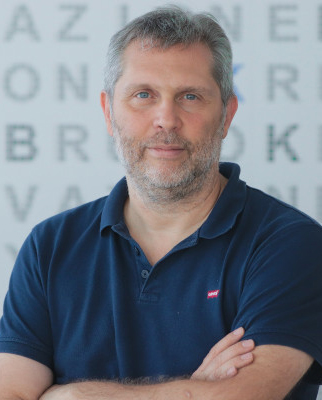
Maurizio Napolitano
Fondazione Bruno Kessler (FBK)
Maurizio Napolitano is a technologist and head of the Digital Commons Lab unit at Fondazione Bruno Kessler, working on data governance, geospatial technologies, and artificial intelligence applied to public data. He has been a volleyball coach for over 30 years and is also a coach educator for the Italian Volleyball Federation.
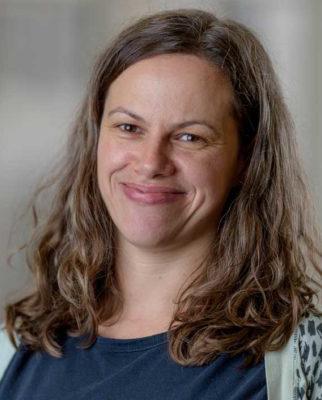
Elizabeth Black
King’s College London
Elizabeth Black is Professor of Artificial Intelligence at King’s College London and a Turing Fellow at the Alan Turing Institute. She is Director of the UKRI Centre for Doctoral Training in Safe and Trusted AI. Her research focuses on computational models of argumentation, trustworthy AI, and the development of AI systems that uphold human values.
Day 4: Privacy, Fairness and Security
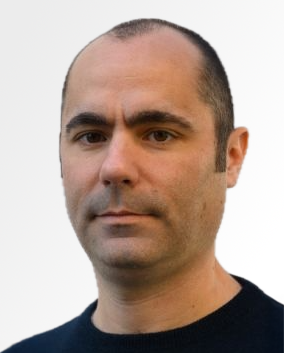
Jose Such
Spanish National Research Council (CSIC)
Prof Jose Such is Research Professor at the Spanish National Research Council (CSIC), where he leads the Human-centred AI Security, Ethics and Privacy (HASP) Lab. Previously, he was Full Professor of Computer Science at King’s College London. His research interests are at the intersection between Artificial Intelligence, Human-Computer Interaction, and Cyber Security.
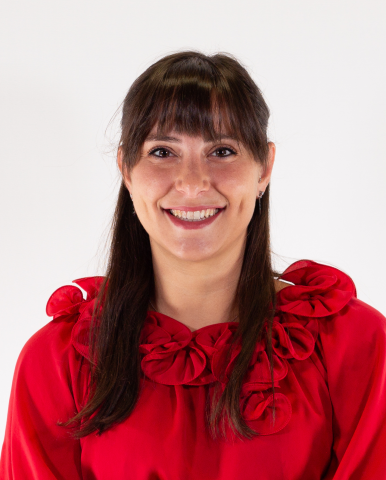
Francesca Naretto
University of Pisa / Scuola Normale Superiore
Francesca Naretto is a Researcher at the University of Pisa. She has a Ph.D. in Data Science from Scuola Normale Superiore, Italy, with a thesis on the synergies and tensions between Data Privacy and Explainability, awarded as Best Phd thesis at the ITADATA 2024 conference. Her research interests are in explainable artificial intelligence, data privacy, fairness and federated learning.
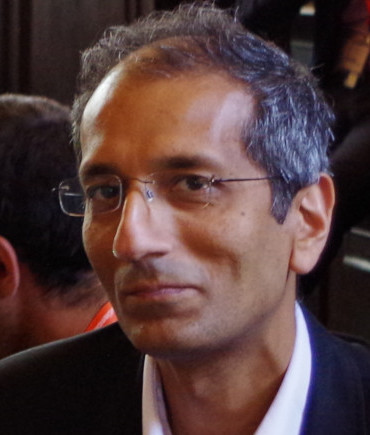
Awais Rashid
University of Bristol
Awais Rashid is Professor of Cyber Security at University of Bristol where he heads the Cyber Security Group. He is Director of the EPSRC Centre for Doctoral Training in Cyber Security and Director of the National Research Centre on Privacy, Harm Reduction and Adversarial Influence Online (REPHRAIN). His research focuses on security and privacy of large connected infrastructures.
Day 5: Project Presentations and Closing Remarks
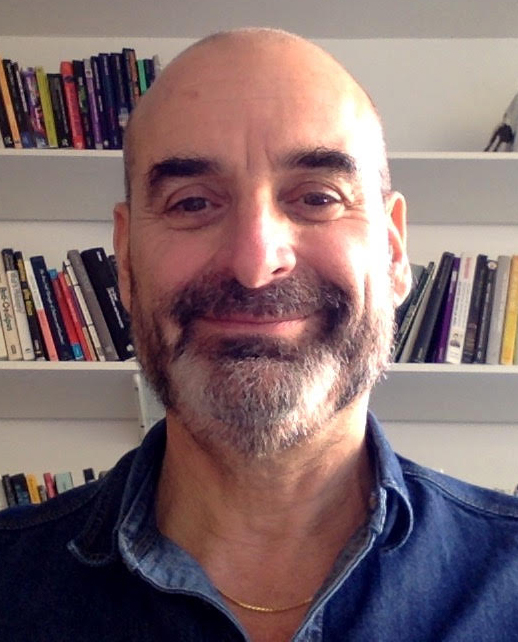
Mark Coté
King’s College London
Mark Coté is a Reader in Data & Society in the Department of Digital Humanities at King’s College London. His cross-disciplinary research examines the societal and governance infrastructures of data-driven AI, bringing humanities perspectives into sustained collaboration with computer science, policy and legal scholarship. He has been PI or Co-I on EPSRC, Horizon 2020 and AHRC grants totalling over £10m, and his work has informed policy and regulatory debate. He provides national and European research leadership as UK Node Lead for SoBigData (ESFRI Roadmap) and as a PI and Strategic Board member of REPHRAIN, the UKRI national research centre on privacy, harm reduction and adversarial influence online. His work is widely published across disciplines, including in Big Data & Society and IEEE venues, and has been invited to international keynotes and conferences.
Tutors
Students will have the opportunity to interact with tutors during the afternoon sessions, which will be dedicated to hands-on activities and project work. These tutors will provide guidance and support as students apply the concepts learned in the morning sessions to real-world challenges.
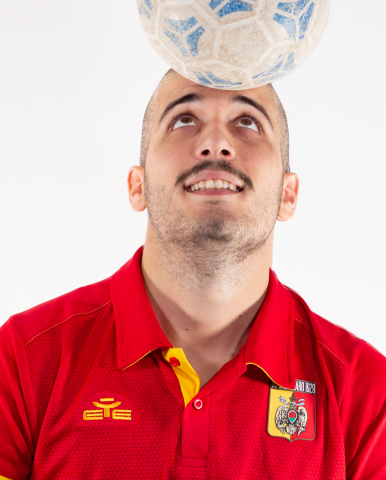
Giovanni Mauro
Scuola Normale Superiore of Pisa
Giovanni Mauro (born 1995, Catanzaro) is a Postdoctoral Researcher at Scuola Normale Superiore. Having completed his PhD in Artificial Intelligence, he currently investigates urban dynamics and human mobility flows. His specific focus is on housing relocation phenomena such as spatial segregation and gentrification, as well as the broader urban impact of Artificial Intelligence.
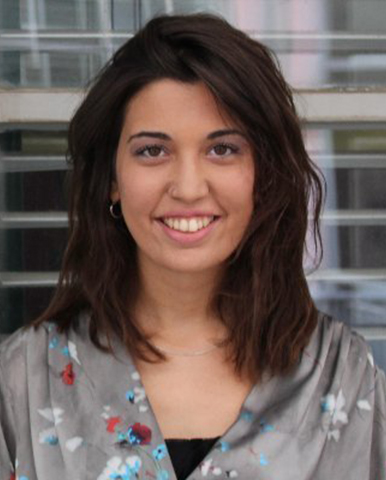
Virginia Morini
University of Pisa
Virginia Morini is a Postdoctoral Researcher at the University of Pisa, Italy. She obtained her Ph.D. in AI for Society in May 2025, with a focus on computational social science methods applied to the study of complex social dynamics on online social platforms. Her research investigates the coevolution between users and algorithmic systems on social media, examining how recommender systems and platform dynamics shape phenomena such as echo chambers, polarization, and visibility inequalities, as well as supportive interactions including social support and self-disclosure within online mental health communities.
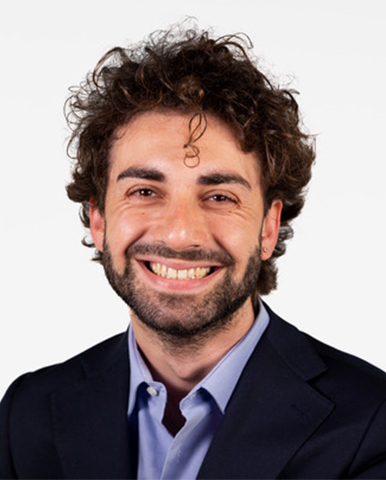
Lorenzo Mannocci
University of Pisa
Lorenzo Mannocci is Postdoctoral Researcher at the University of Pisa, working on TANGO project, on Hybrid Artificial Intelligence models. He received his PhD in Artificial Intelligence in 2025, focusing on AI and network science models for detecting coordinated behavior on online social networks. During his PhD, he completed research visits at Uppsala University, Sweden, collaborating with Prof. Matteo Magnani on multimodal coordination. He holds an MSc with honors in Data Science and Business Informatics and a BSc in Computer Engineering from the University of Pisa.